


Bạn đang muốn tìm hiểu
lộ trình Anh ngữ tốt nhất tại Hi-Language
ĐĂNG KÝ
NHẬN TƯ VẤN MIỄN PHÍ
Ngôn ngữ không chỉ là công cụ giao tiếp, mà còn là cầu nối văn hóa, tri thức và thế giới. Với mục tiêu đem lại cho học viên những trải nghiệm học tập đa dạng và phát triển cá nhân toàn diện, Trung tâm Anh ngữ Hi-Language đã nhanh chóng trở thành một điểm đến hàng đầu dành cho những ai đam mê học ngoại ngữ tại thành phố. Với sứ mệnh tạo ra môi trường học tập thú vị và đội ngũ giáo viên chất lượng, Hi-Language đã và đang góp phần lan tỏa ngọn lửa yêu thích học tiếng Anh cho cộng đồng học viên Việt Nam.
Xem thêm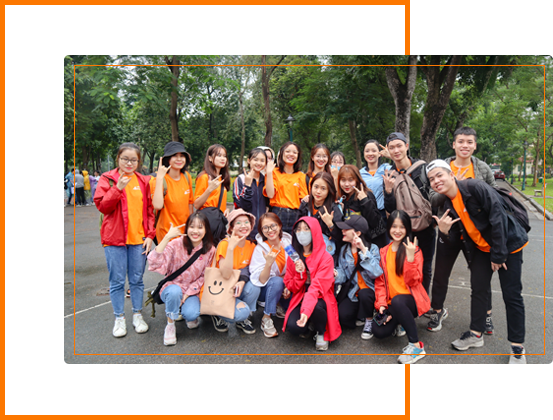

đào tạo anh ngữ học thuật và luyện thi ielts

chuyên nghiệp đến từ Mỹ, Anh, Úc…

đã học tại Hi-Language

từ 6.0 trở lên

Tham gia

Tham gia

Tham gia

Tham gia

Tham gia

Tham gia

Hi-Language sở hữu đội ngũ giảng viên bản ngữ đến từ Anh, Úc, Mỹ có nhiều năm kinh nghiệm và chất lượng cao trong giảng dạy chương trình Anh ngữ Học thuật chuẩn Quốc Tế


Error: Contact form not found.